





Pure sine vs modified: which 12V inverter for car should you buy?
When selecting a 12V car inverter, it's crucial to understand the differences between pure sine and modified sine wave inverters to ensure compatibility with your devices and meet your power needs.
1. What is the primary difference between pure sine wave and modified sine wave inverters, and how does this affect device compatibility?
Pure sine wave inverters produce a smooth, consistent waveform identical to the electricity supplied by utility companies, making them suitable for all electronic devices, including sensitive equipment like medical devices and high-end audio systems. Modified sine wave inverters generate a stepped waveform that may cause issues with certain devices, such as audible noise in audio equipment or overheating in motors.
2. How do I determine the appropriate wattage for a 12V car inverter to safely power my devices?
To select the right wattage, sum the continuous wattage requirements of all devices you intend to power simultaneously. For instance, if you plan to run a laptop (50W), a smartphone charger (10W), and a small fan (30W), the total is 90W. It's advisable to choose an inverter with a continuous wattage rating higher than your total to accommodate startup surges from devices like fans or refrigerators.
3. What are the potential risks of using a modified sine wave inverter with sensitive electronic devices?
Using a modified sine wave inverter with sensitive electronics can lead to several issues:
Overheating: Motors may run hotter, reducing their lifespan.
Reduced Efficiency: Devices may operate less efficiently, leading to higher energy consumption.
Potential Damage: Some devices may experience malfunctions or even permanent damage due to the irregular waveform.
4. How does the efficiency of a pure sine wave inverter compare to a modified sine wave inverter, and what impact does this have on battery life?
Pure sine wave inverters are generally more efficient than modified sine wave inverters, meaning they convert DC to AC power with less energy loss. This higher efficiency translates to longer battery life, as less energy is wasted during the conversion process. While pure sine wave inverters are typically more expensive, the benefits in terms of device compatibility and energy efficiency often justify the investment.
5. Are there specific devices that should only be used with pure sine wave inverters?
Yes, certain devices require pure sine wave inverters for proper operation:
Medical Equipment: Devices like CPAP machines rely on a stable power supply for accurate functioning.
High-End Audio Systems: To prevent distortion and ensure sound quality.
Laser Printers: They may malfunction or be damaged by the irregular waveform of modified sine wave inverters.
6. What are the advantages of using a pure sine wave inverter over a modified sine wave inverter in a vehicle?
Using a pure sine wave inverter in your vehicle offers several advantages:
Device Compatibility: Ensures all electronic devices operate correctly without risk of damage.
Energy Efficiency: Higher efficiency leads to less energy loss and longer battery life.
Reduced Noise: Provides cleaner power, reducing audible noise in audio equipment and preventing overheating in motors.
In conclusion, selecting the appropriate 12V car inverter is essential for safely and efficiently powering your devices. While pure sine wave inverters offer broader compatibility and higher efficiency, they come at a higher cost. Assess your specific power needs, device requirements, and budget to make an informed decision.
For personalized recommendations and a quote tailored to your needs, please contact us at info@csinverter.com or visit our website at www.csinverter.com.


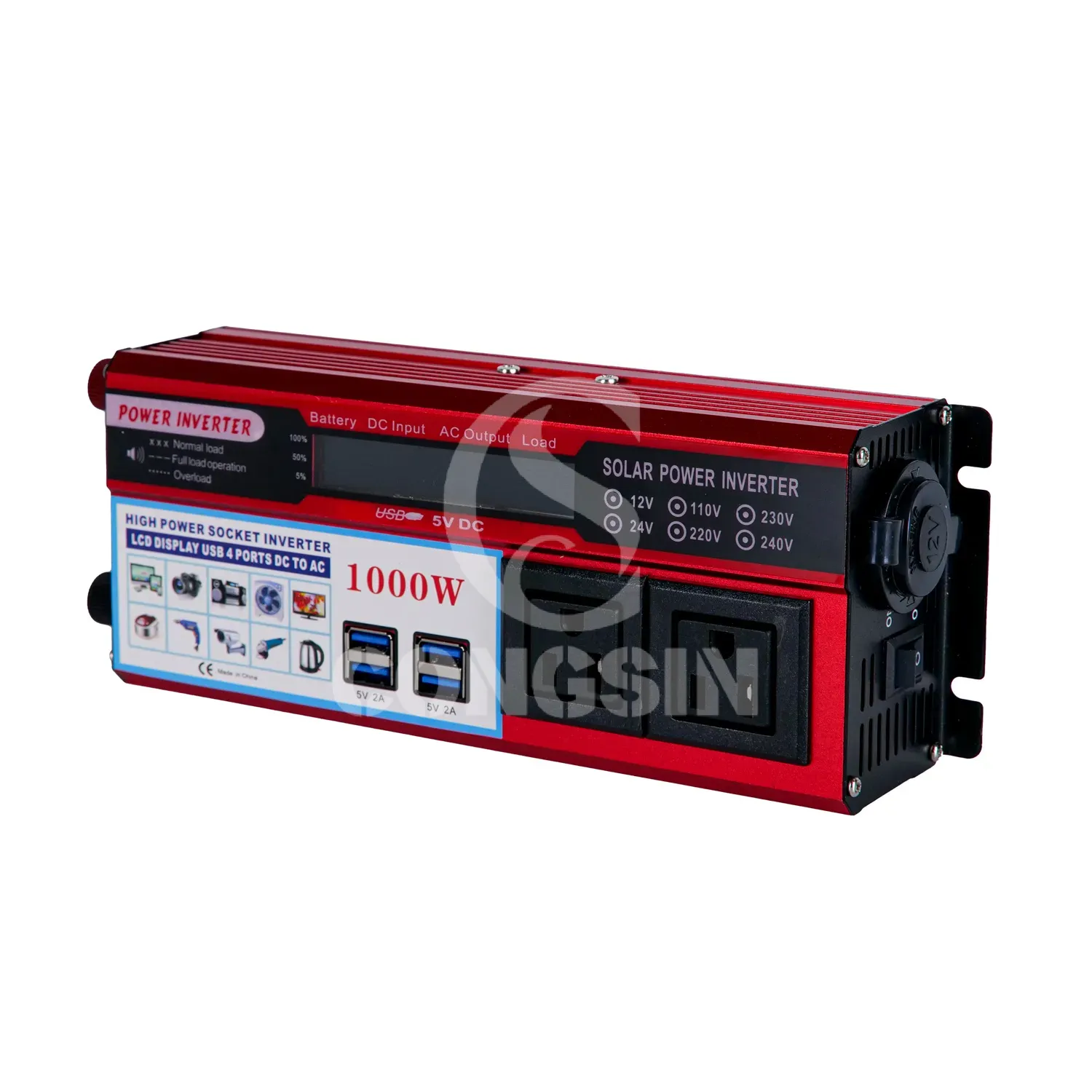
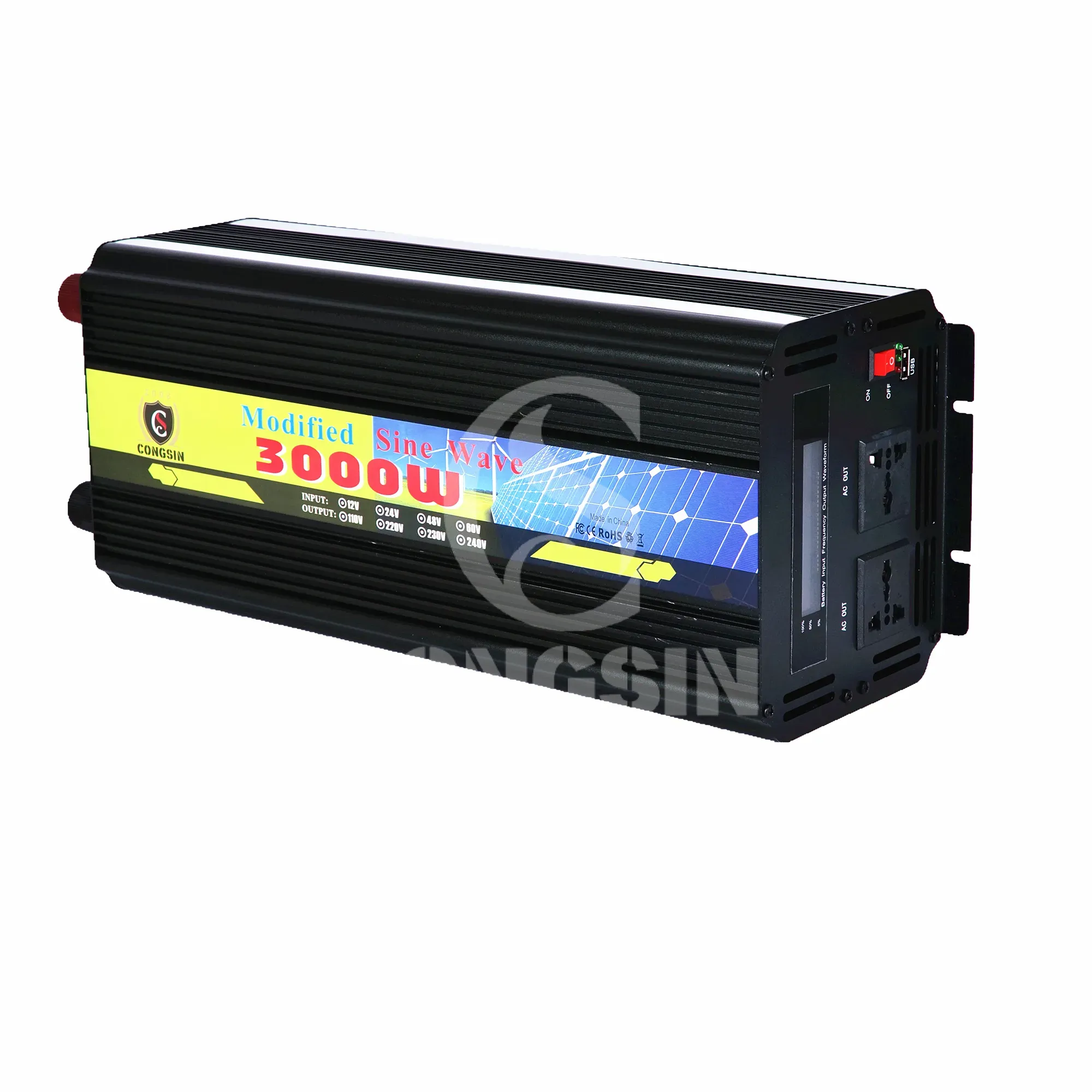
Modified Sine Wave Inverters
Can it be used in electric vehicles?
Most electric vehicles have a high-voltage system, and this inverter inputs DC 12V. It is not recommended to use it directly. If you need to use it, please confirm whether the vehicle power output matches first.
Is the cooling fan noisy?
The fan is designed for heat dissipation and will make some noise during operation, but it is within a reasonable range and will not interfere with normal use.
How does reverse protection work?
When the positive and negative poles of the battery are reversed, the inverter will automatically cut off the circuit to avoid device damage and ensure power usage safety.
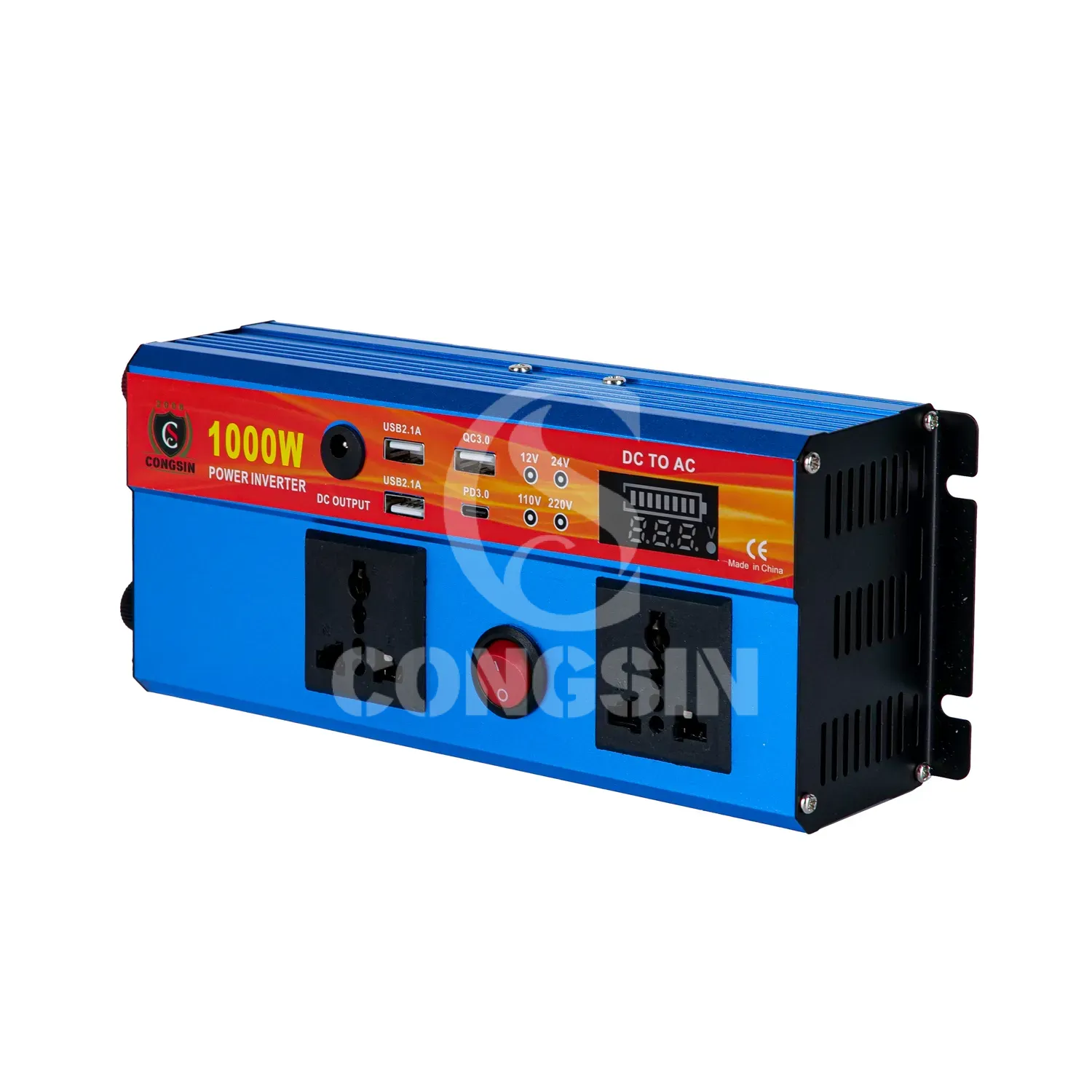
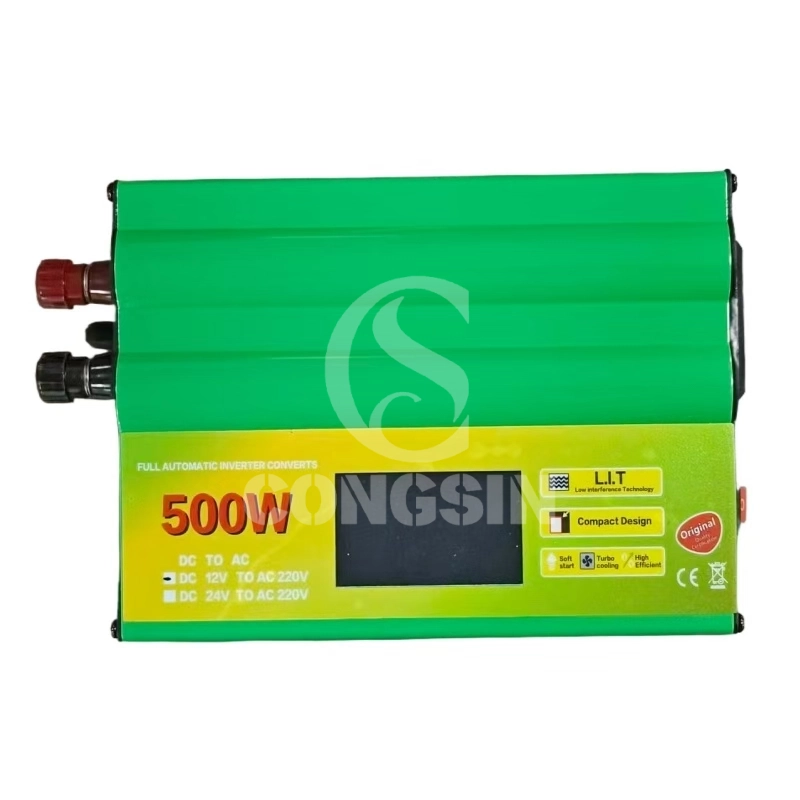
Pure Sine Wave Inverters
What capacity battery is needed to drive a 1000W electric kettle?
It is recommended to match with a 12V 100Ah or larger capacity battery. When a 1000W electric kettle is working, the power consumption per hour is about 83Ah (1000W÷12V≈83A), and a 100Ah battery can support continuous work for about 1 hour (actual battery life is affected by battery aging).
What appliances can this inverter support?
Rated 1500W, peak 3000W – supports most home appliances.
Get in Touch with Our Team
You can also communicate with us directly through our online contact form. Please fill in the following information, and our team will contact you as soon as possible after receiving your message.

CONGSIN is a trusted OEM factory for power inverters, solar charge controllers, and DC converters. Reliable solutions for global B2B buyers.
 High Quality
 7/24 Service
 Guaranteed Warranty
© 2025 Congsin. All Rights Reserved.